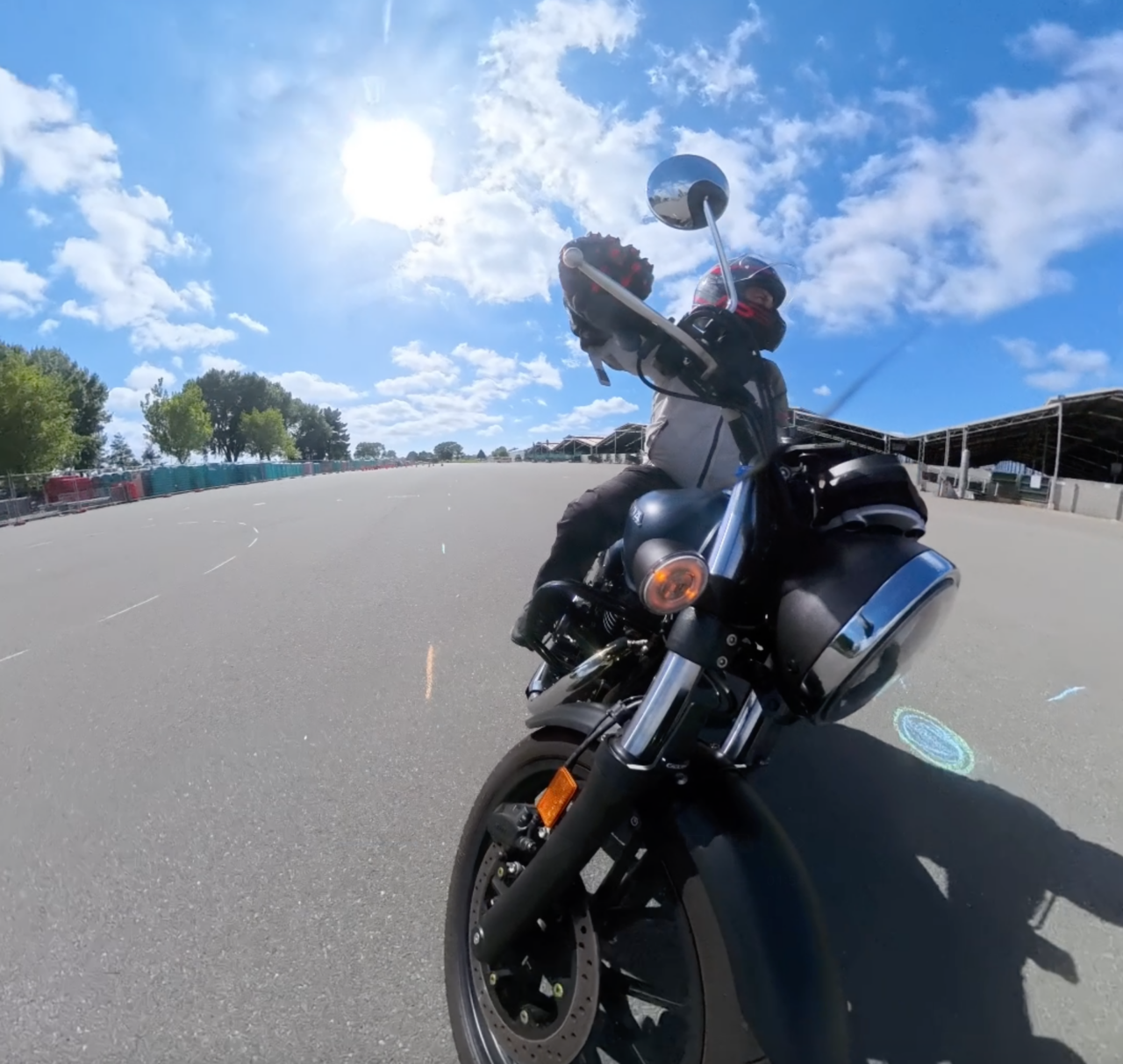
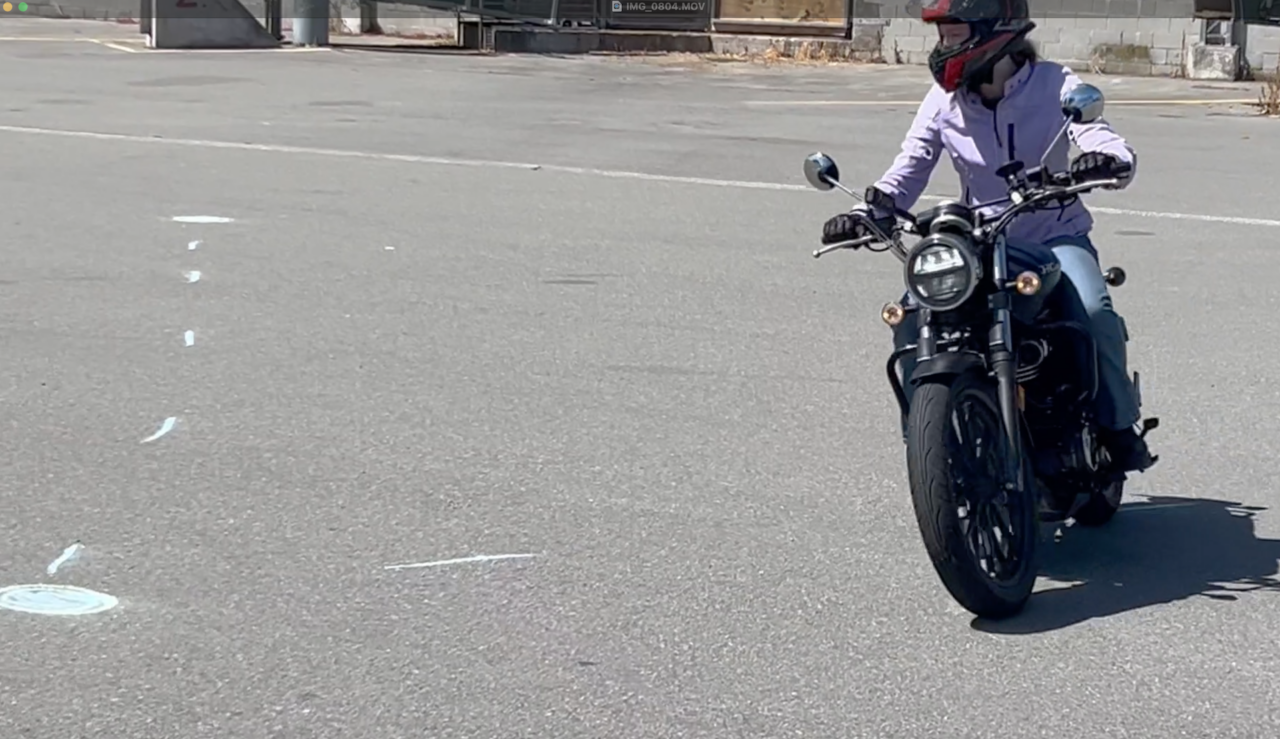
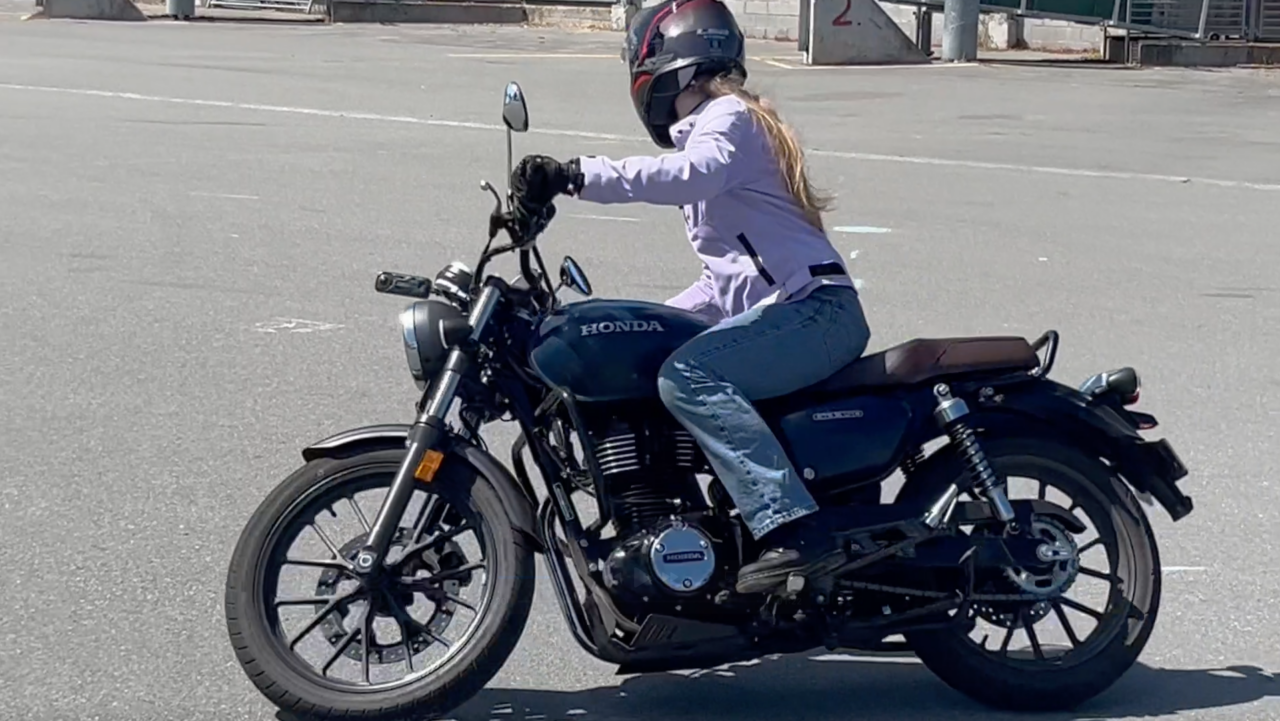
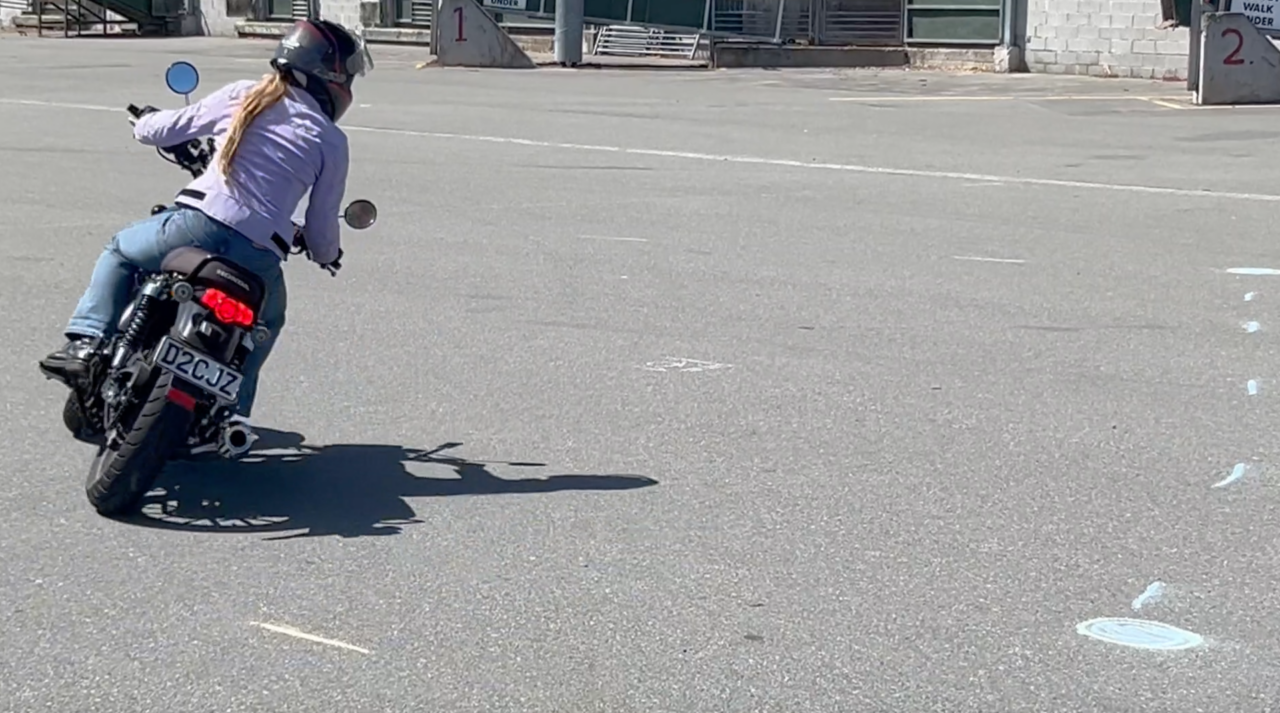
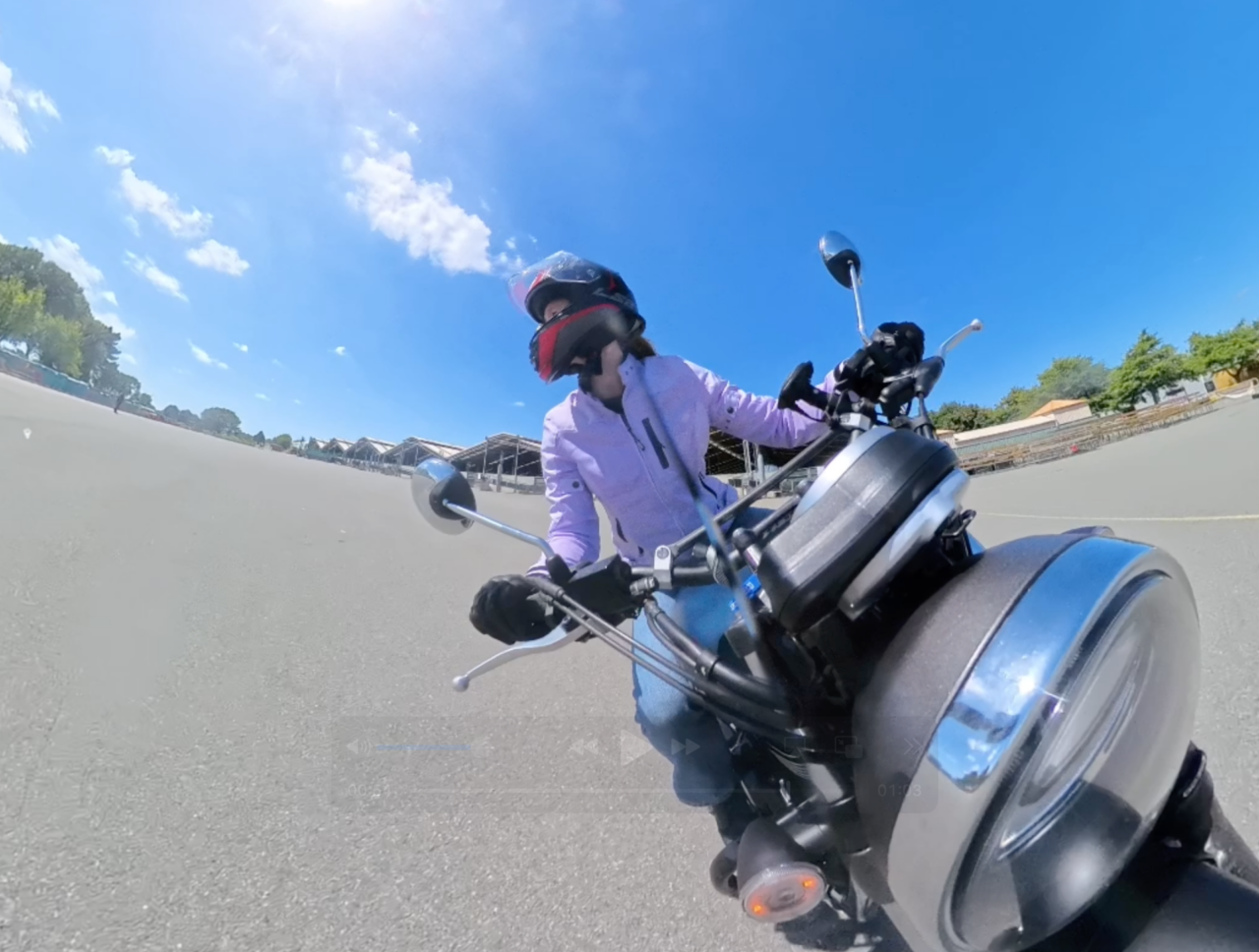
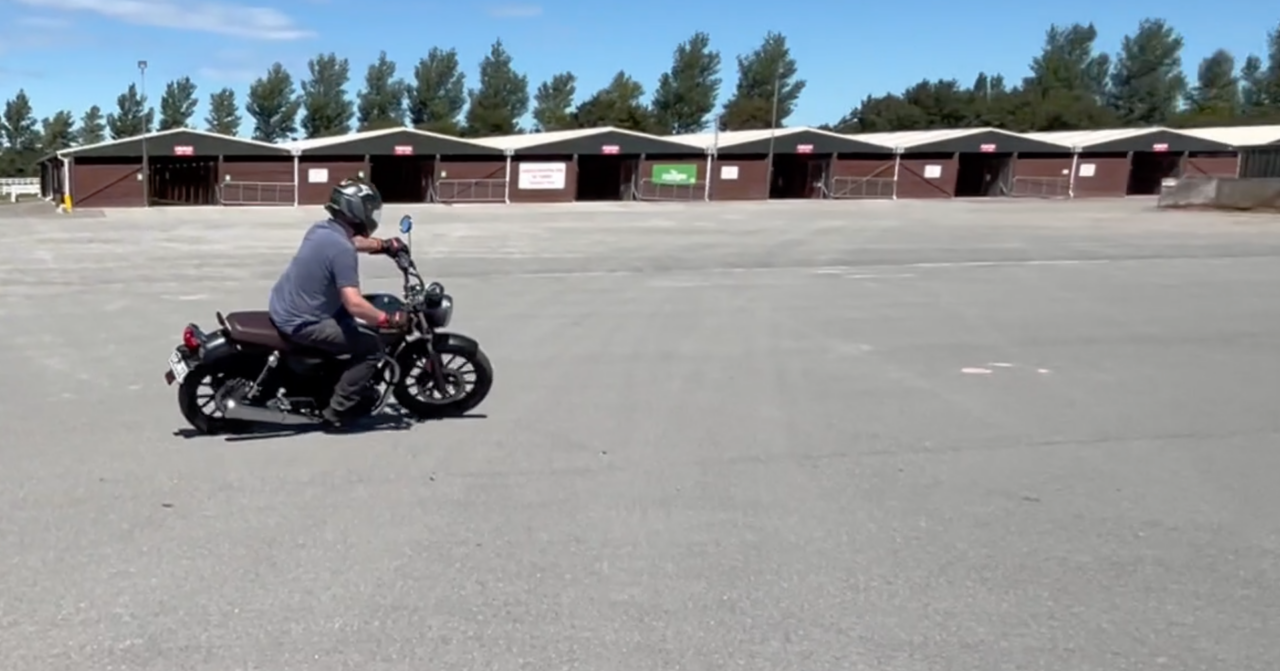
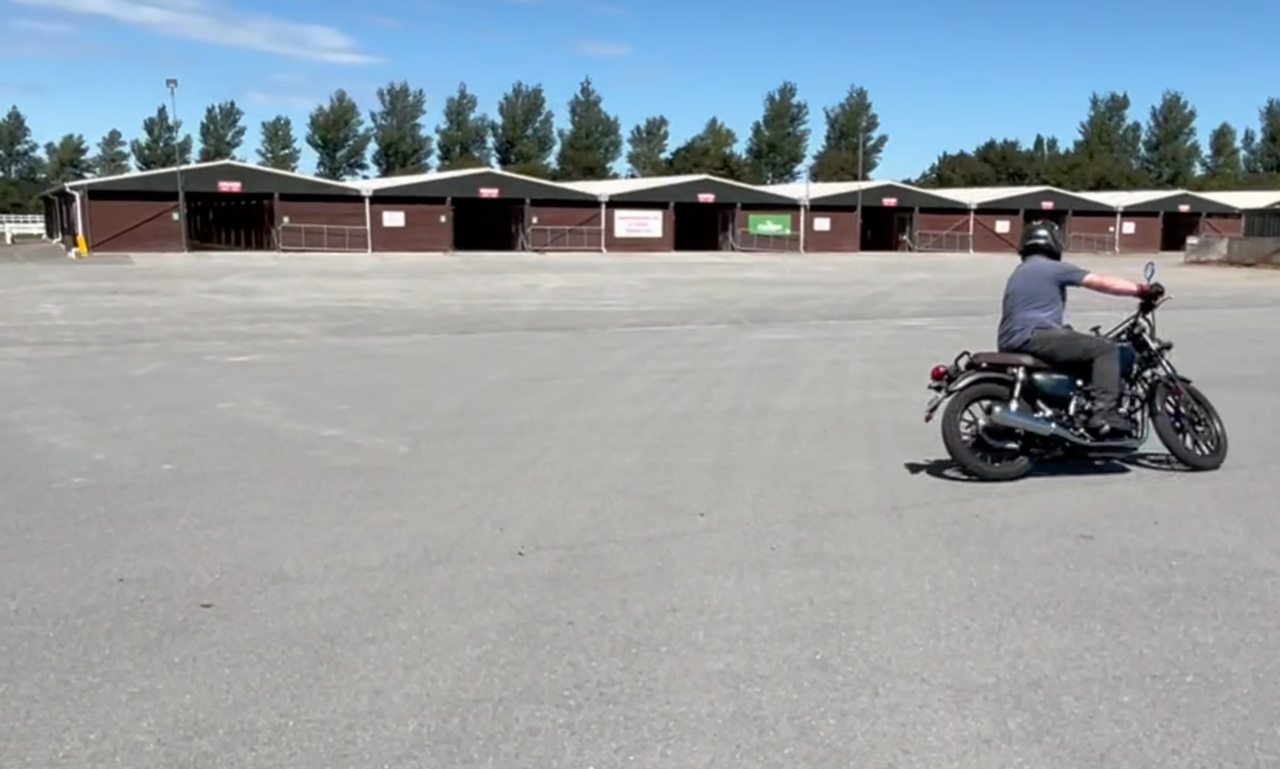
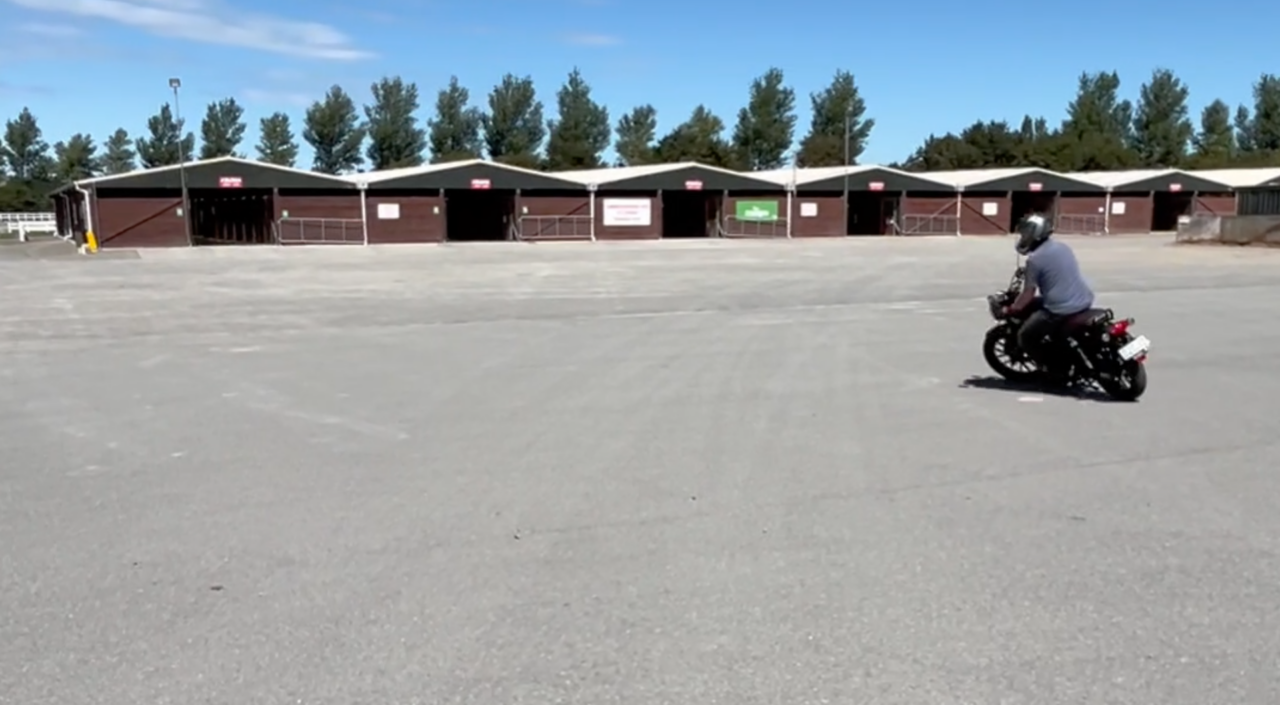
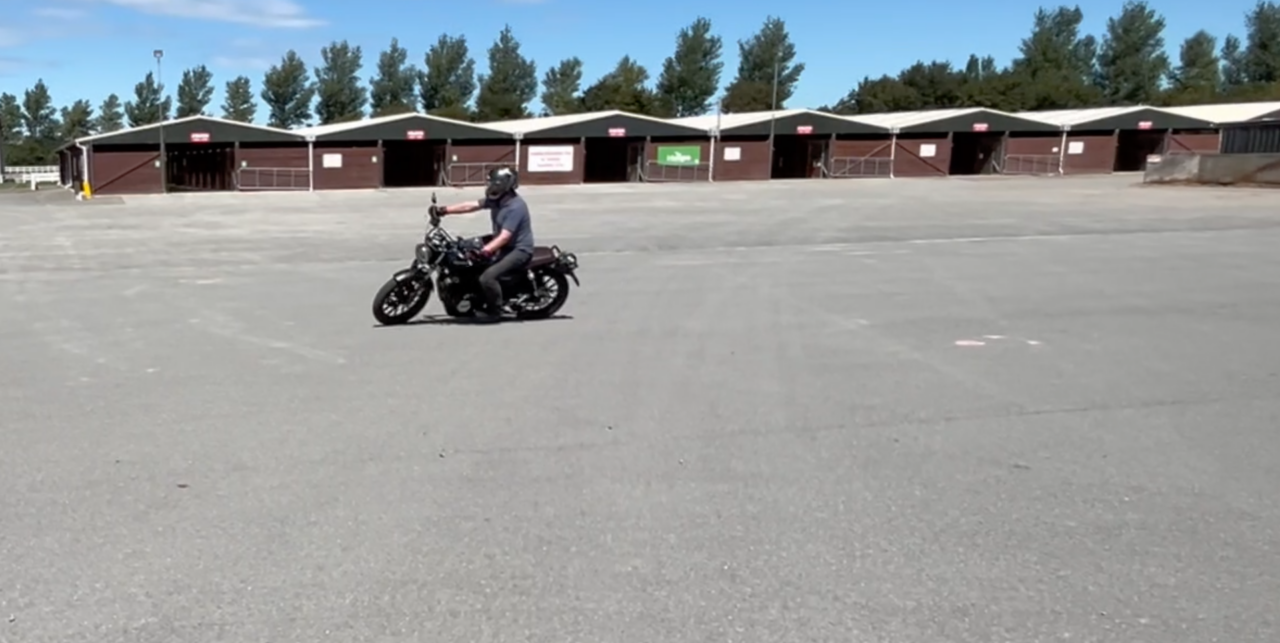
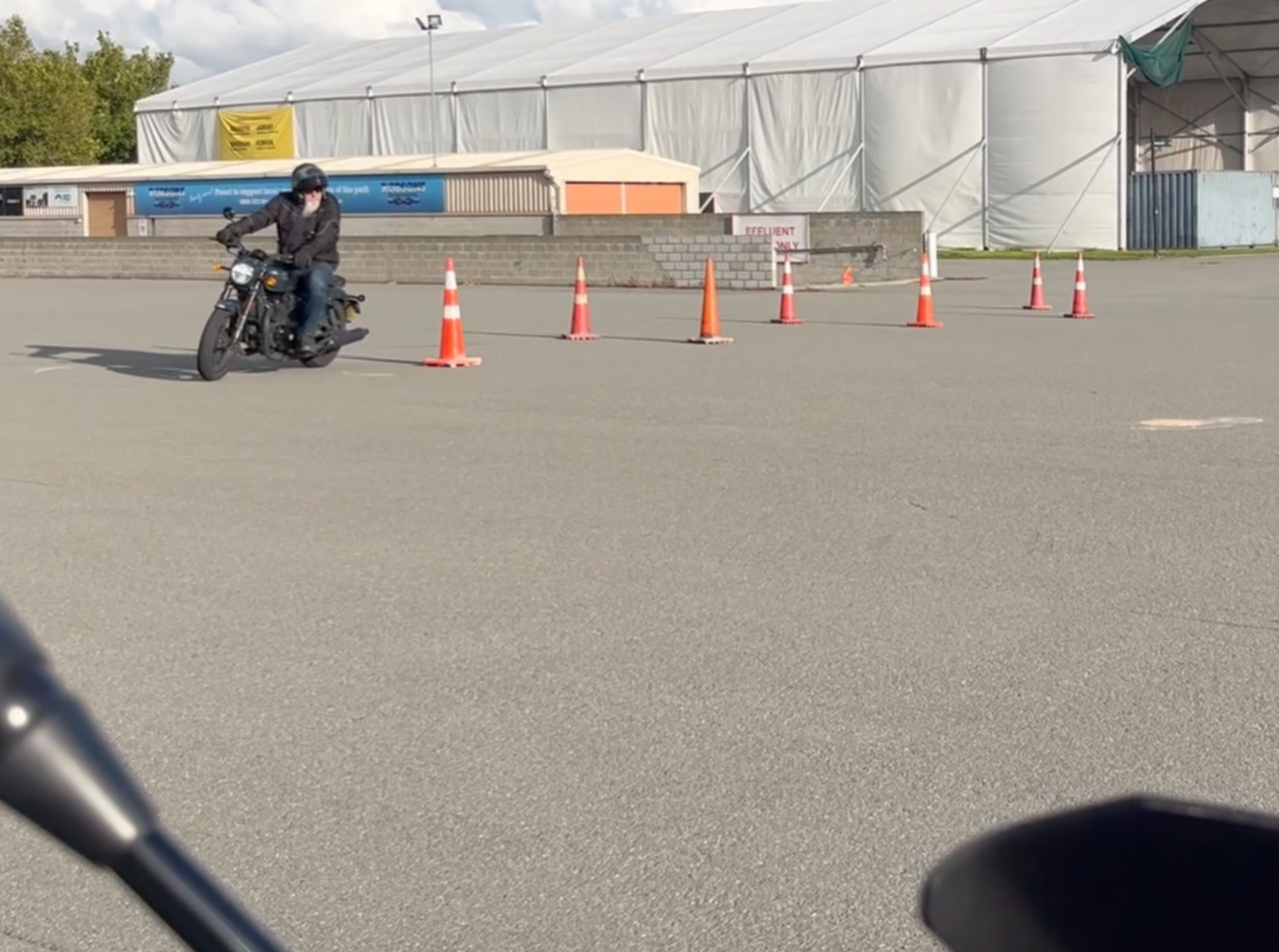
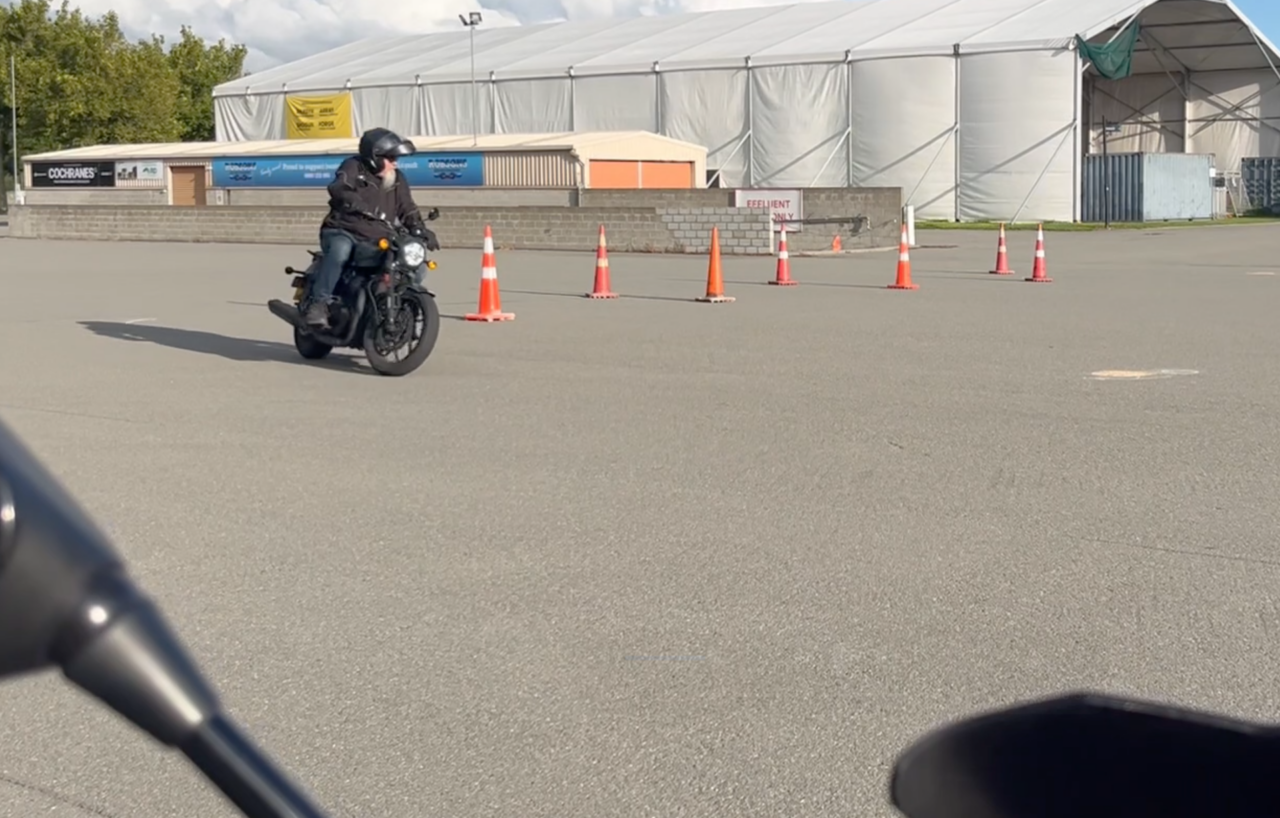
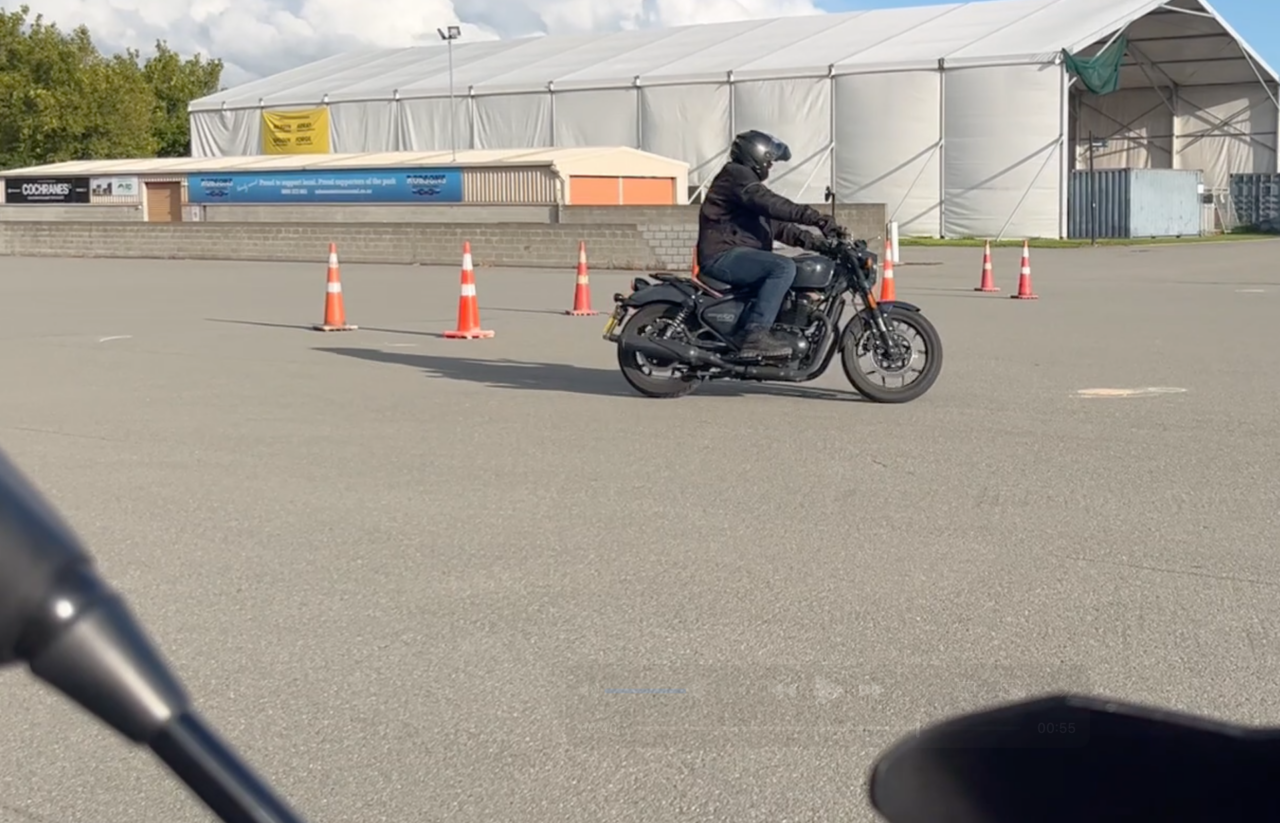
Learn to ride a motorcycle
Start with the Learn to Ride #101 Guide
When learning to ride a motorcycle, most new riders progress through two early stages:
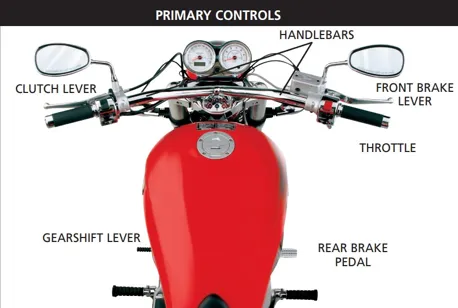
Stage 1. Everything is new. Your first priority is learning the motorcycle's basic controls and developing enough confidence to start, stop and turn safely.
Stage 2. Once you understand the controls and can confidently start, stop and make basic turns, you can begin adding road rules, signalling, road positioning, observation and safety head checks as you prepare for your learner licence.
Please note: Motorcycles are not a convenient replacement for a car unless you invest in yourself to learn and take the time to ride.
- Riding motorcycles to save on fuel costs is a valid motivator to look at motorcycle riding, but you must not avoid rider training and practice;
- Without proper training you are adding risk without being aware of the danger to yourself;
- Motorcycling requires you to take responsibility for your own actions and control errors. Unlike a car, there is no protective metal shell around you when something goes wrong;
- Many riders enjoy the control and sensory input including the physics of leaning and steering a motorcycle plus the sights and smells are far more vivid compared to sitting a car;
- Many riders find that developing their motorcycle skills creates a strong sense of freedom and connection with their surroundings, which becomes an important part of why they continue riding.
The only way to get good at riding a motorcycle, is to ride a motorcycle.
You need to have the time to ride a motorcycle regularly as part of your daily routine, or at least weekly when you start your learning to ride journey. Without regular time on two wheels, you may find your learning progress slow and may discover motorcycles might not be for you due to confidence or time limitations.
Practicing should be balanced with professional instruction, no point in spending hours on a motorcycle potentially creating bad habits as you didn't know a better, easier or a safer way to do something.
This website and the material found here is designed to give new riders the chance to absorb and retain relevant information for their own "learning to ride journey".
The items here should be used before and after a physical motorcycle session whether that motorcycle session is with a friend, a parent or a motorcycle school near you.
The complete index for guides can be found here: https://motobasics.nz/knowledgebase-articles
Professional motorcycle training is extremely valuable, but instructor time has an unavoidable cost. Moto Basics makes the preparatory learning material freely available so riders can use paid training time more effectively.
Stationary position into sharp turn #104:
Vanishing point - See general guides section
Bicycles vs Motorcycles? See general guides section