Quick overview, how to get your NZ motorcycle licence
Moto Basics provides free online preparatory motorcycle information for new riders.
See the visualisation below for the various learning stages to obtain a motorcycle licence in New Zealand.
In summary, if you learn good motorcycle control before riding on public roads and understand how to read the road and your surroundings, you gain more confidence sooner while improving your road skills.
You cannot know everything on day one, but we're certainly trying to provide as much useful information as possible so new riders can learn without having to make the “if only I had known” mistakes.
Considering a motorcycle for transport?


When looking at alternatives for transport, motorcycles can travel on any road.
- It all starts with the first question: Do I want to look at motorcycle riding?
- Do I have the time to learn and practice regularly?
- Wherever a car can go, so can a motorcycle. But motorcycles can also use T2 lanes and often get free parking zones around CBD areas and parking buildings;
- Motorcycles have an excellent travel range compared to bicycles and scooters;
- A motorcycle can be more than a simple commuter tool; you can travel away from home for a weekend getaway or a simple day trip!
Learning to ride - preparatory learning
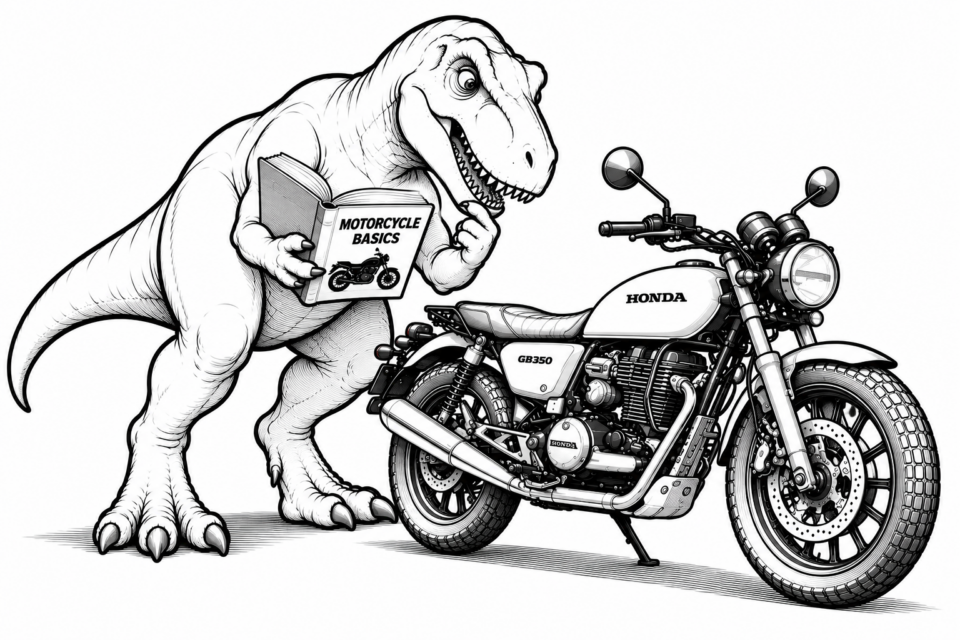
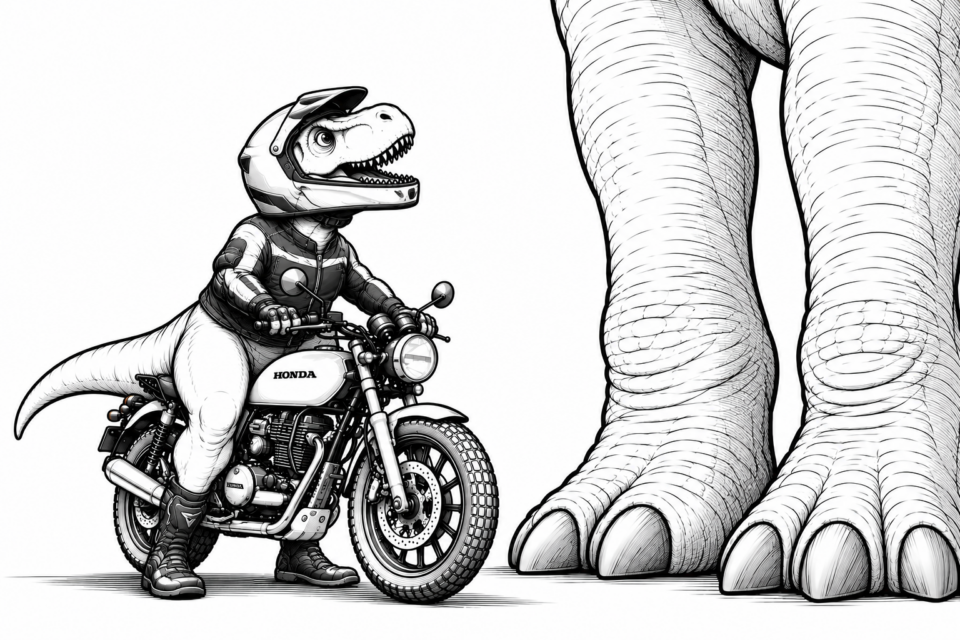
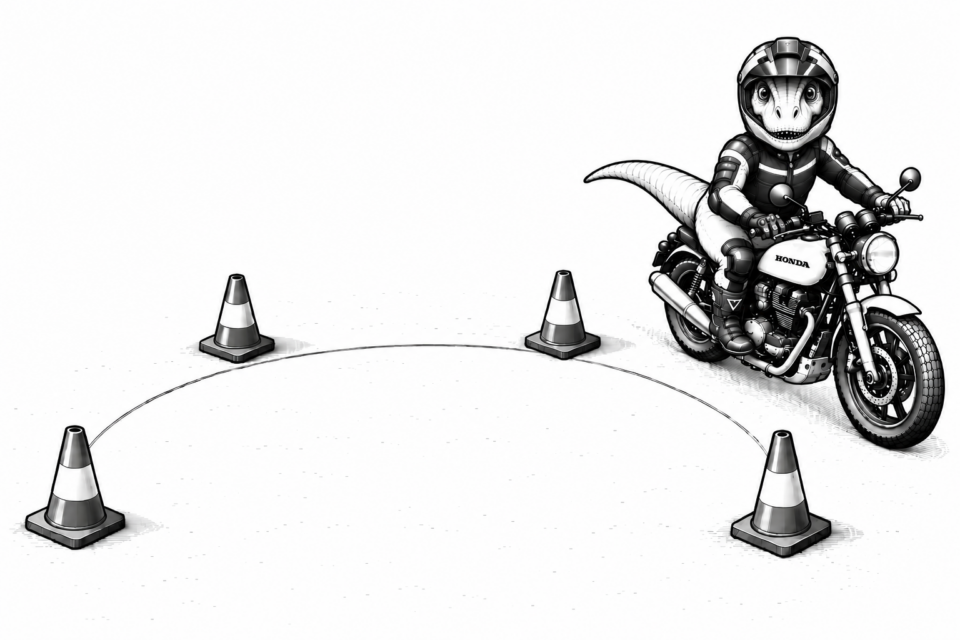
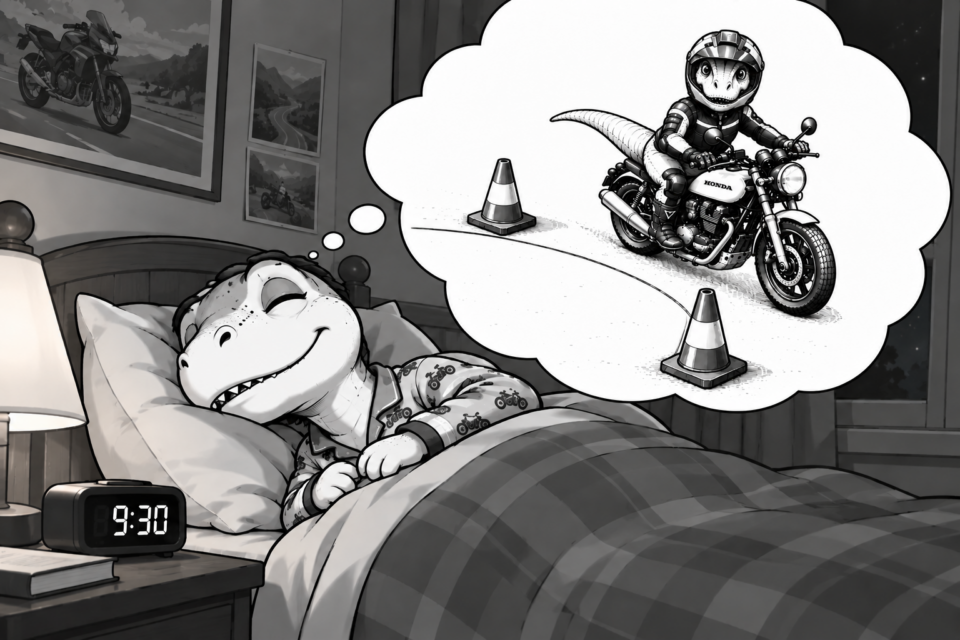
Learning to ride a motorcycle could be viewed as a big challenge, but it is rewarding with the correct instruction.
- How does it work?
- How is it different to a 50cc scooter or bicycle that I've ridden for years?
- How can I be safe while learning to ride?
This is where Moto Basics fits in — providing free online resources to assist your learning.
Learn → Watch → Understand → Practice
Read and watch the guides, then practice with a trainer or trusted advisor.
You can only make progress if you can measure your results. This is how you improve your confidence and develop trust in your new motorcycle skills.
Choosing or window shopping for your first motorcycle

Looking at your options to purchase a LAMS-approved motorcycle.
!! You do not need your own motorcycle until you have passed your 6L motorcycle licence. Motorcycle schools provide a motorcycle as part of the learner training and assessment process.
Used motorcycles?
If you purchase a cheap motorcycle, how is a new rider supposed to know what is normal and what is a problem?
If you are without someone to help and guide you on your purchase journey, then Moto Basics recommends you avoid any project motorcycles or motorcycles over 15 years old as your first motorcycle where maintenance history is unknown.
Been searching Facebook Marketplace, TradeMe, or other online listings?
Best to start riding with a well-maintained motorcycle, and if you are unsure, visit a motorcycle store as they often have trade-in motorcycles that will be inspected and serviced.
New motorcycles?
You will need your motorcycle licence if choosing to finance your motorcycle.
You may not choose to buy a new motorcycle straight away; beginners are prone to having a few moments but nothing wrong with committing to your motorcycle journey with a new bike!
Motorcycles with less than 10,000km are usually less than 5 years old. These motorcycles often make great value purchases as they skip the new price tag but typically have all the reliability of a new motorcycle with modern features like ABS brakes.
You will need your motorcycle licence to insure your motorcycle for use on public roads.
Complete the learners "Basic Handling Skills Test" (BHST)
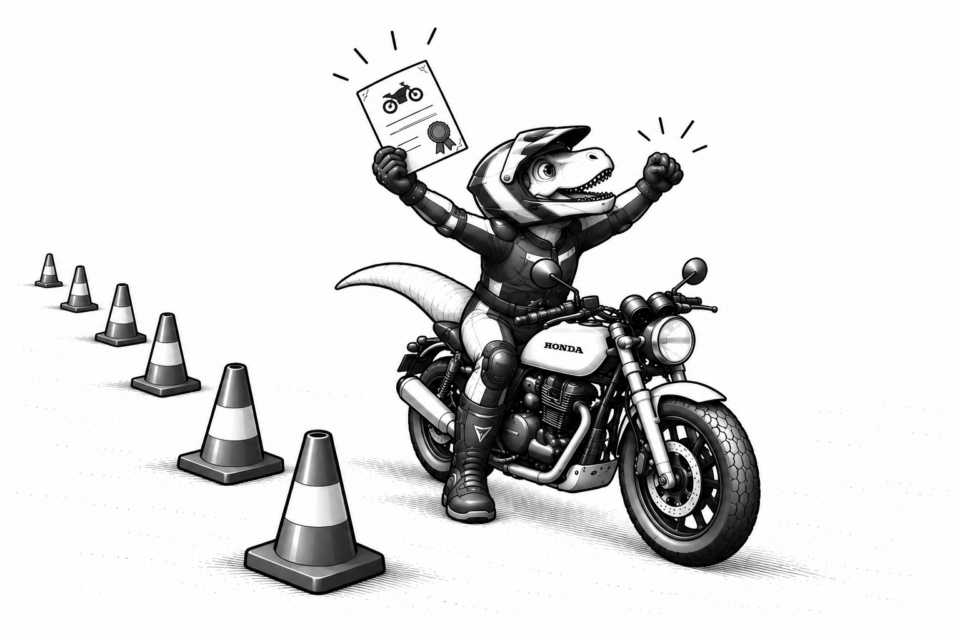
Once you have reasonable control of a motorcycle, it is time to pass the BHST.
If you can confidently do all of these:
- Have good control of the motorcycle's throttle and clutch;
- Understand how to use the brakes smoothly and perform an emergency stop;
- Know how to perform a U-turn and figure eights;
- Know how to park a motorcycle;
- Know how to perform a head check (lifesaver check);
- Use turn signals correctly.
Book some practice time and, with good motorcycle control and careful attention to the assessor's instructions, you can work towards passing the BHST and obtaining your riding certificate.
Sitting the road-code and complete the vision test
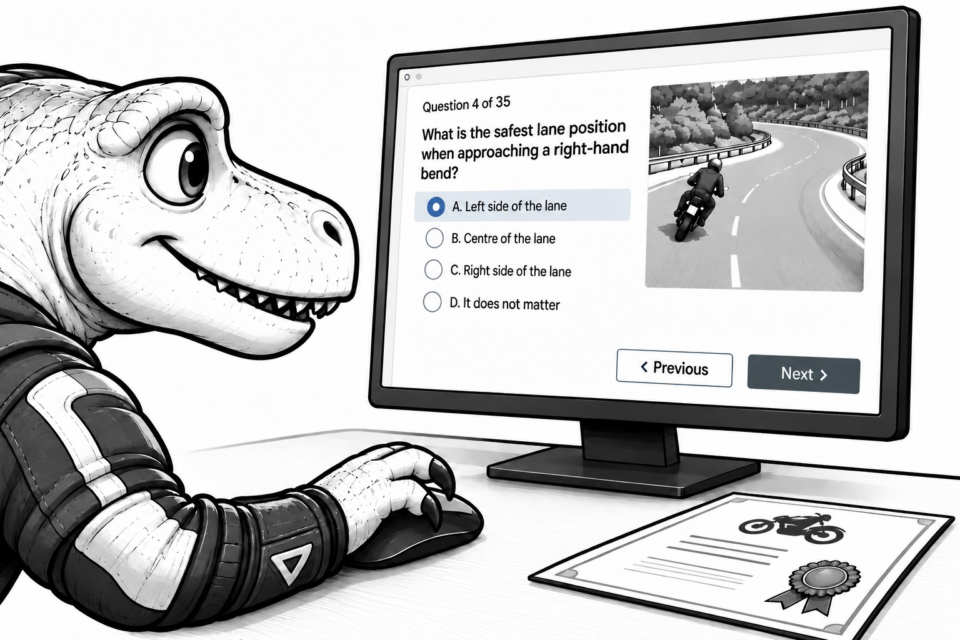
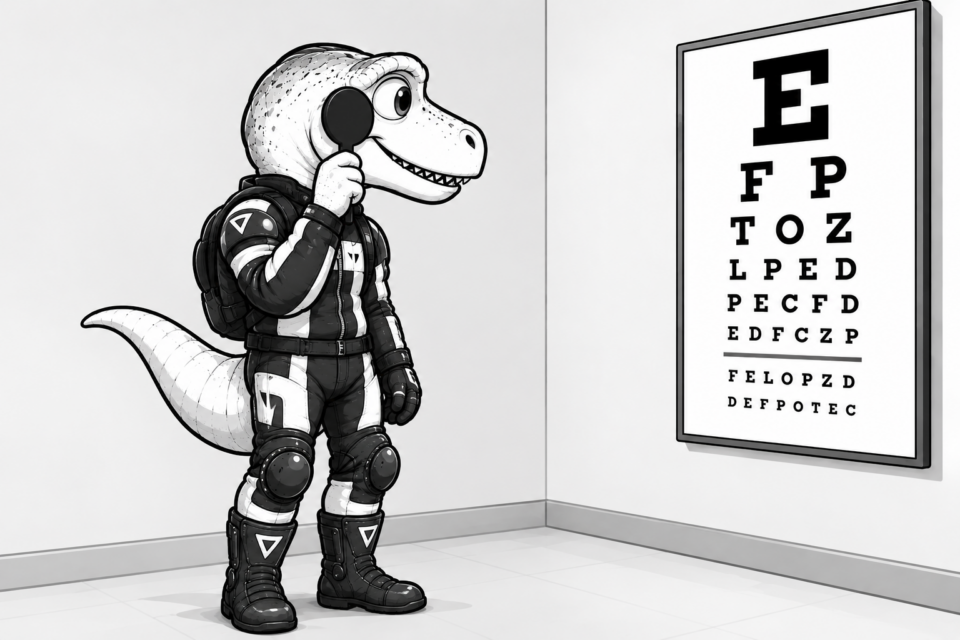
Once you have your BHST riding certificate, take this to your local road-code testing outlet
- 35 questions, 5 are specifically regarding items that affect motorcycles;
- You must answer at least 32 questions correctly;
- Pass a vision test;
- Submit your BHST certificate to the person completing your road code test paperwork.
There is a fee for sitting the test. If you fail, you can book another time and retry again and not be charged twice.
See external resources for NZTA links.
The 6L motorcycle licence is issued once you have passed the road-code and vision tests.
On the road with an L plate
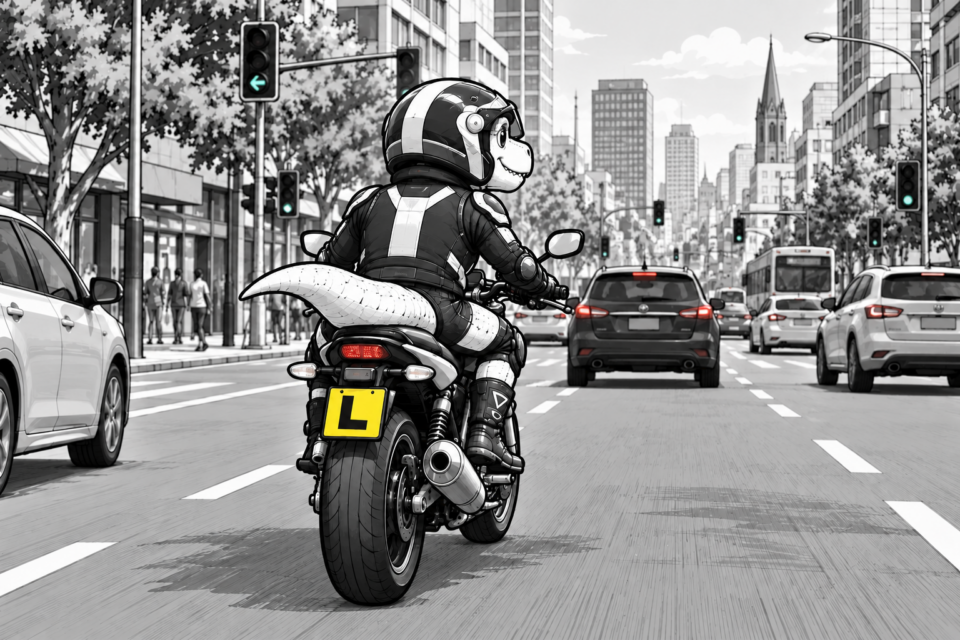

Out on your own!
- Using a motorcycle you have purchased;
- Take your time, use the 2-4-second following rule;
- You're not in the low-speed training grounds now; Public roads carry more speed and have more distractions - be focused, but relax!
- Use additional learning resources and work towards your restricted 6R licence;
- Ride your own ride, build up your riding experience including riding in any weather;
- Ride regularly — once a day or several times a week — to keep your skills and awareness fresh.
Moto Basics has handy guides you need to observe and start good habits so you are ready for your next riding assessment.
A completely new rider may need around 100 hours of riding experience throughout the licensing process to develop good habits in motorcycle control, road positioning and observation.
!! Supplementary to being out on your own.
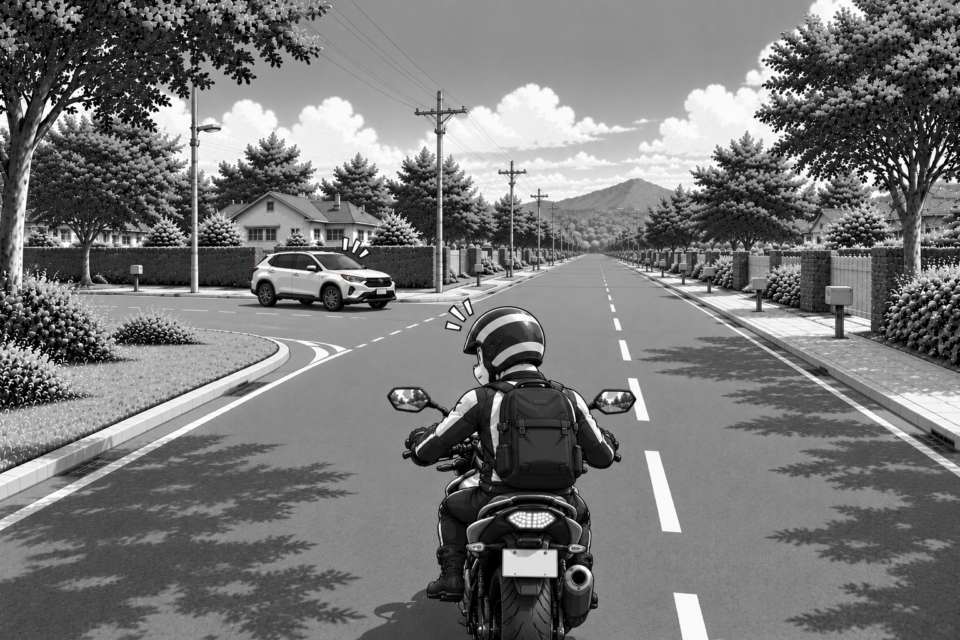
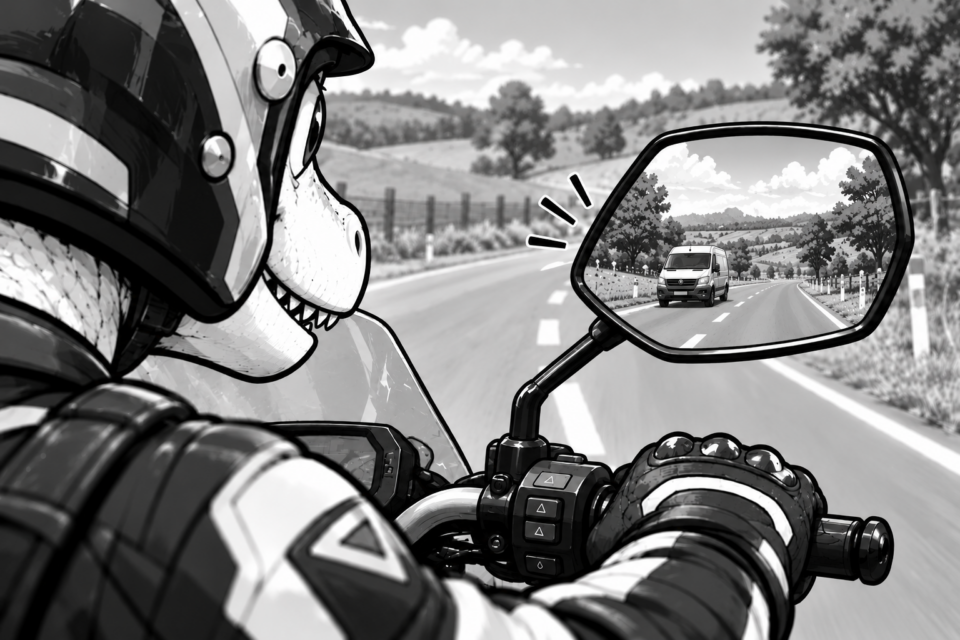
The learner process for the BHST and Road Code does not include a formal process for training new riders to practice mirror checks and scanning the sides of the road before riding on public roads.
!! See Moto Basics head and mirror guide ASAP.
The ACC Ride Forever programme does introduce this topic, and some general knowledge around the subject is expected. However, waiting for a course or guidance on this topic after obtaining the 6L learner licence does not give learners the maximum opportunity to become safer riders.
If you have never been shown how to perform mirror checks and head checks, or how to scan the road ahead while riding a motorcycle, you are effectively riding without fully knowing what is happening around you and your motorcycle.
Other road users often fail to notice a motorcycle rider even when the rider is in plain sight, as a motorcycle does not have the same physical presence as a car. Knowing this, understanding how to scan the sides of the road, using your mirrors, and practising these checks frequently can make you a safer rider.
By learning how to identify new information on the road sooner, you can make better decisions about road position, progression and braking when needed.
Getting your 6R restricted motorcycle licence - Competency based
This assessment will show what you have learnt is fit for public roads, including motorcycle control and road rules.
You may sit this rider competency assessment immediately after obtaining your 6L learner licence. Using the non-competency testing method will result in a six-month waiting period before you can apply for your 6R restricted licence riding test.
If you pass the assessment and have the 6R restricted licence issued to you, there is no more L plate display requirement. But curfew and LAMS-approved motorcycle restrictions remain.
See external resources for NZTA links.
It's best to attend some tuition before this rider assessment. You should have your own motorcycle and enough road-riding confidence to complete the assessment
Moto Basics has handy guides to help riders understand what they need to be ready for the 6R restricted licence assessment.
Getting your 6F full motorcycle licence - Competency based

This assessment will show if you have retained all the correct rider skills over time.
You may take this rider competency assessment 9-months after obtaining your 6R restricted licence.
Using the non-competency testing method will result in an 18-month waiting period before you can take the 6F full licence riding test.
If you pass the competency-based 6F full licence assessment, you cannot submit your new rider competency certificate to a licensing agent until 12 months have elapsed from the issue date of your 6R restricted licence. (Moto Basics didn't make the rules!)
See external resources for NZTA links.
If you pass the assessment and have the 6F full licence issued to you - no curfew and no LAMS restrictions apply.
The 6F competency assessment is similar and shorter in duration to the 6R competency based assessment.
Any bad habits you may have developed over that time may show up during the assessment. It's best to attend some tuition beforehand to get early feedback.