Motorcycle, how to steer (Beginners)
Counter-steering is the only reliable way to introduce the front wheel of two (2) wheeled vehicles into a corner when a motorcycle is moving.
Steering motorcycle is also known as turning or changing direction.
It is labeled “counter steering” as we give a little input to the steering in the opposite direction momentarily so to introduce the correct side of the front tyre to the moving road surface underneath your motorcycle.
!! Learners - Do not ride beyond your braking ability based on your vanishing point distance observed !!
See Vanishing point guide here: https://motobasics.nz/knowledgebase-articles/guides/guide-vanishing-point
Never ridden on a specific road before?
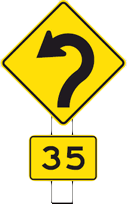
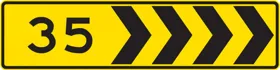
Observe the yellow advisory speed signs, these show the advised speeds for the road feature ahead.
Counter Steering, make a motorcycle turn into a left corner
Introduce the left side of the tyre for a left corner to the moving road by adding steering input momentarily with any of these actions:
- Pushing the left handle bar grip forward;
- Pulling the right handle bar grip towards you;
- Both, push the left grip and pull the right grip at the same time.
The result is the front wheel turns right for a moment and that then enables the motorcycle to corner left as it is then using the left tyre side to corner correctly soon after this steering input - Counter Steering!
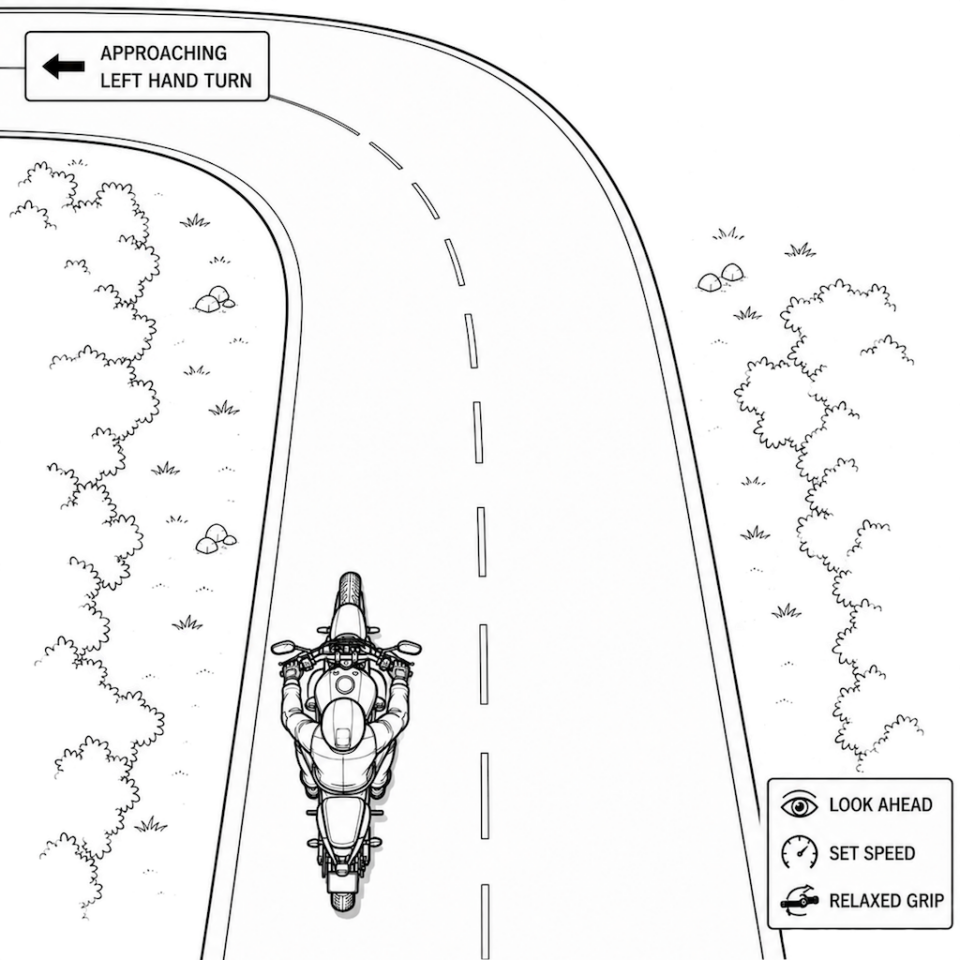
Adjust your speed appropriate for the situation ahead before you arrive at the road feature (corners etc).
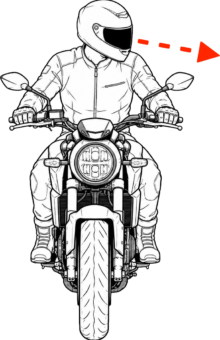
Look up and ahead where you need to ride, not at your front wheel.
- You are looking for the vanishing point as your target, this is the point where you cannot see the road's path ahead beyond your current line of sight.
- Corners, buildings, hedges and other objects obscure your line of sight down any road, these things bring the vanishing point closer to you as a rider and signals you as a rider that a corner could sharpen and objects can hide side exit vehicles ahead so your speed should reduce.
- The further away the vanishing point is from the rider then the road has straightened up more or a clear path exists to proceed at your speed chosen.
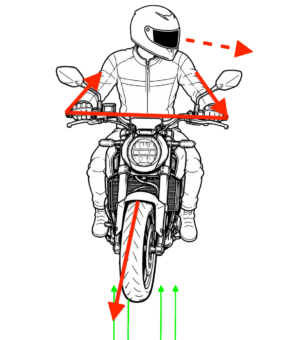
Introduce the left side of the tyre for a left corner to the moving road by adding steering input momentarily with any of these actions:
- Pushing the left handle bar grip forward;
- Pulling the right handle bar grip towards you;
- Both, push the left grip and pull the right grip at the same time.
The result is the front wheel turns right for a moment and that then enables the motorcycle to corner and lean left as it is then using the left tyre side to corner correctly soon after this steering input - Counter-Steering!
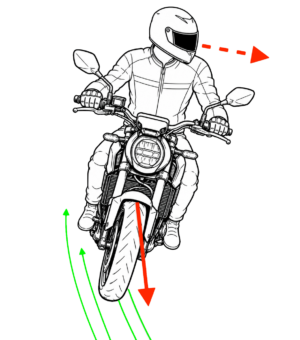
After the momentary steering input is initiated, no more steering input is needed once the corner radius is met.
Relax and let the motorcycle turn with the tyre’s curved profile. Rider arms and hands should be relaxed on the handlebar grips during the
turn.
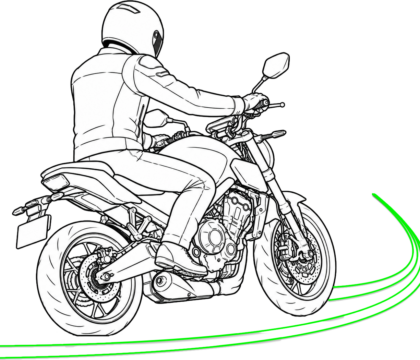
Complete the corner with constant drive to the rear wheel and keep looking for the vanishing point further up the road ahead.
Constant drive is not the act of accelerating faster, but rather positive engine power smoothly and consistently applied so the motorcycle does not expand or shrink its turning radius.
- If you slow down in a corner, the turning radius will sharpen when rolling off the throttle;
- If you speed up in a corner, the turning radius will widen;
- If you change speed in the middle of the turn, beginner riders may create other issues like panic braking and excess throttle input (added or removed);
- Good control management is linked to planning your manoeuvres and consistency during any manoeuvre.
Counter Steering, make a motorcycle turn into a right corner
The rider's input needed is swapped to go in the other direction.
Introduce the right side of the tyre for a right corner to the moving road by adding steering input momentarily with any of these actions:
- Pushing the right handle bar grip forward;
- Pulling the left handle bar grip towards you;
- Both, push the right grip and pull the left grip at the same time.
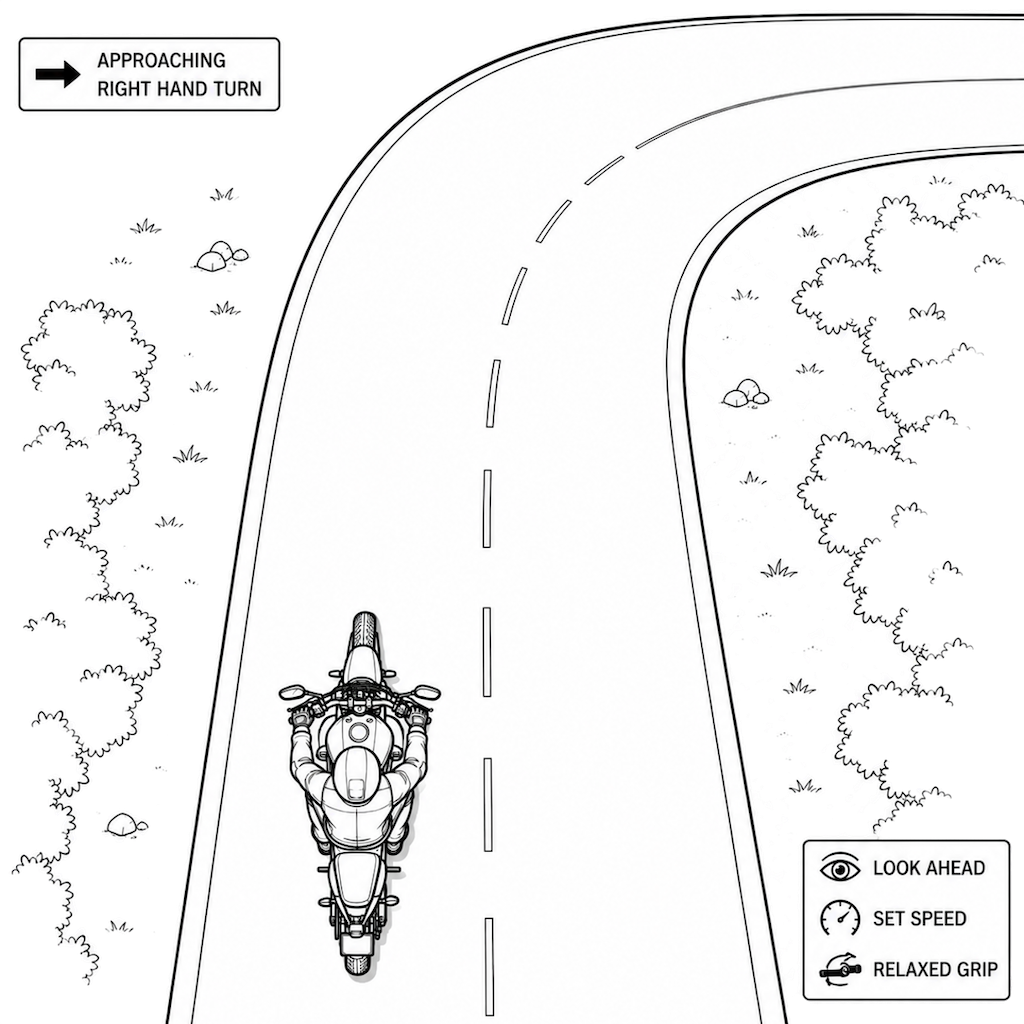
Speed management
The faster you are traveling, the more distance your vehicle covers every second.
So the faster you travel, your steering input needs to match these higher speeds. Many learner riders often end up running wide in corners as a result of added speed and that can often un-do some trust and possibly set back rider progress. (Along with panic braking and other side effects like target fixation).
It is simpler to set your speed at a pace you understand before any corner and be stable through the corner with speed consistency rather than trying to fix or reduce your speed in the middle of a corner when learning to ride a motorcycle!
Learner motorcycle riders should start with lower speed zones like city or town speeds to fully understand how to steer a motorcycle, then progress to higher speed zones and learn how to add steering input when needed as steering input changes the faster you travel.
This is one very good reason to not take new riders on long journeys in open road speed zones at the initial on-the-road learning stages. Learners can easily make mistakes as they are not prepared at these speeds and do not know how to fix these situations before any issues arise.
If you need to reduce a little speed in the corner (say a 5-10kph reduction), it is better to add a little rear brake pressure in a corner combined with smooth throttle control to slow down. Avoid rolling off the throttle completely (aka throttle chop) or aggressive application use of front brakes (aka panic braking) - The last two items will change your corner radius or path of travel.
Aggressive use of front brakes in any corner will make a motorcycle straighten up its line of travel instead of completing the corner required and may put you in more danger like crossing into the path of other vehicles.
A simple analogy: Be like superman flying in the air!

A simple analogy: Be like superman flying in the air!
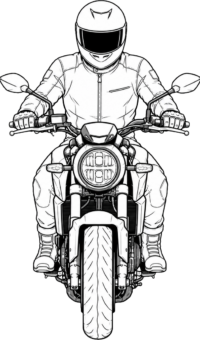
Turning right? Push the right handle bar grip forward to turn right.
Turning left? Push the left handle bar grip to turn left.