Motorcycle rider survival guide in traffic - Three (3) easy things!
This is a critical list for new and existing motorcycle riders to watch for when riding in traffic.
We cannot predict every scenario, such as another road user's poor vehicle control or a medical event. This guide assumes you have already been practicing shoulder checks, road scanning and mirror checks.
A crash in a car will typically involve an insurance claim and potentially some discomfort. But for a motorcycle rider this could be a hospital visit, months off work, a lifelong injury or worse.
The difference between knowing what to look for as a motorcycle rider vs the rider being unaware is a night and day comparison.
Read items 1 to 3 below so you can start to watch for these 3 easy things while riding in traffic and take action sooner to avoid near misses and greatly improve your chances of avoiding an accident.
1. Watch for gaps in traffic
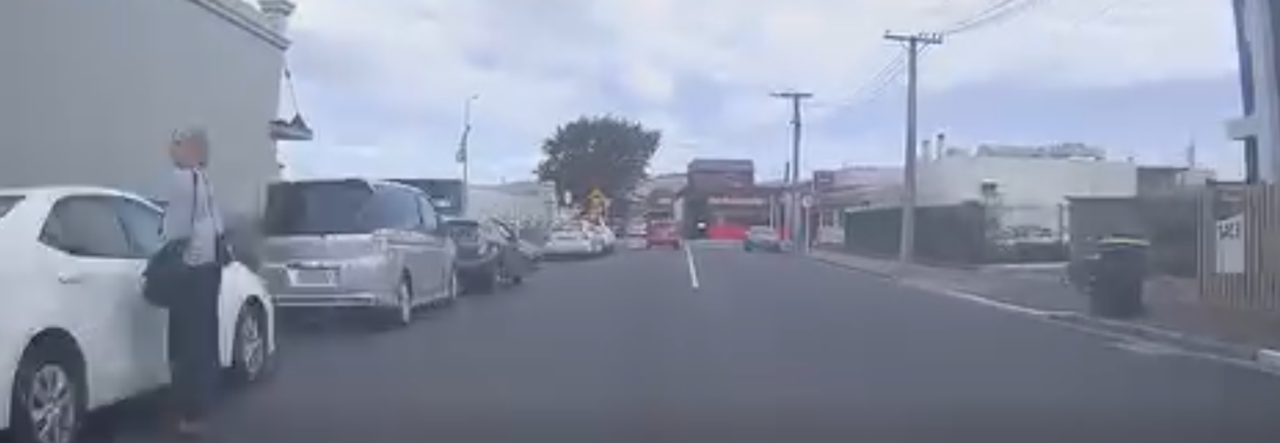
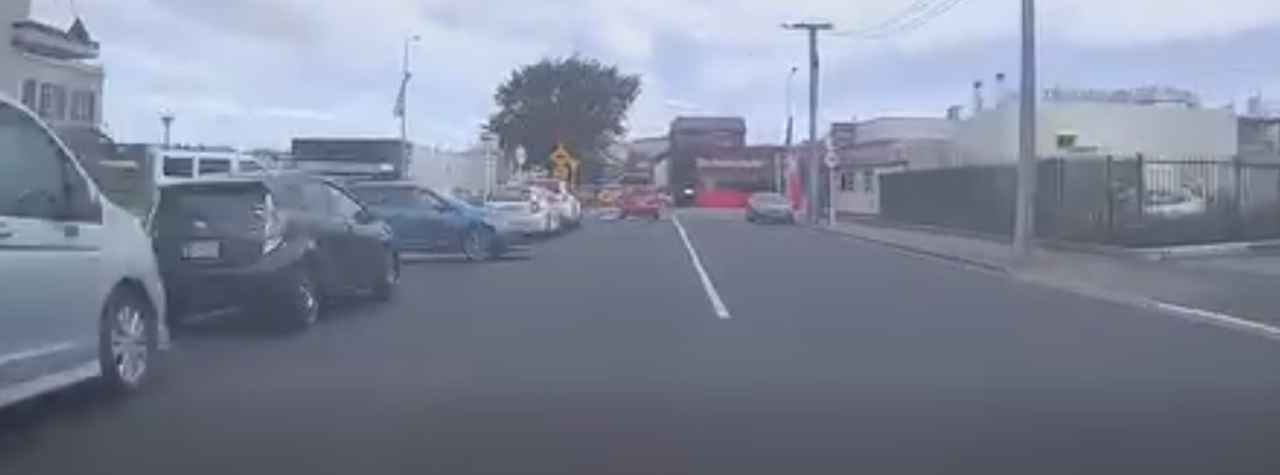
While riding your motorcycle, watch for any gaps in traffic queues - Make this a priority!
1a. What does a gap in traffic represent to road users?
- An intersection, with or without traffic lights or obvious signage, examples include T intersections.
- Commercial premises or driveways where vehicles can enter the lane you are traveling in.
- A vehicle could fit in that gap.
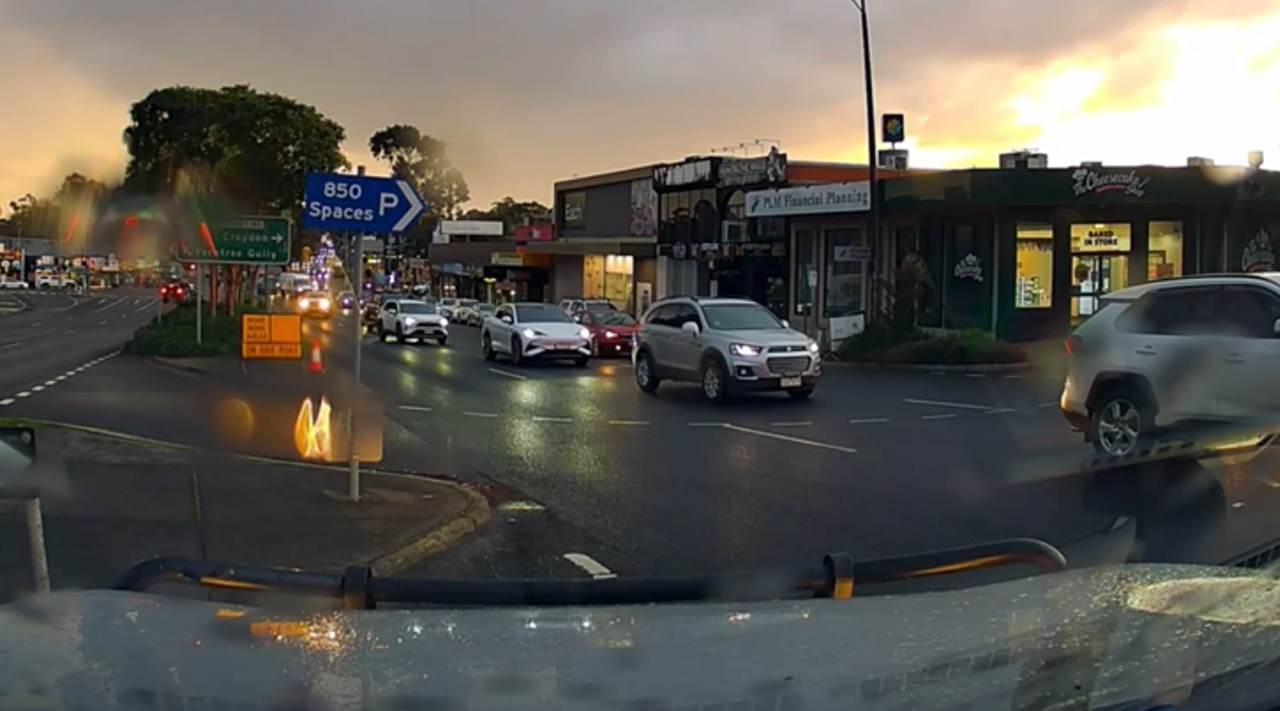
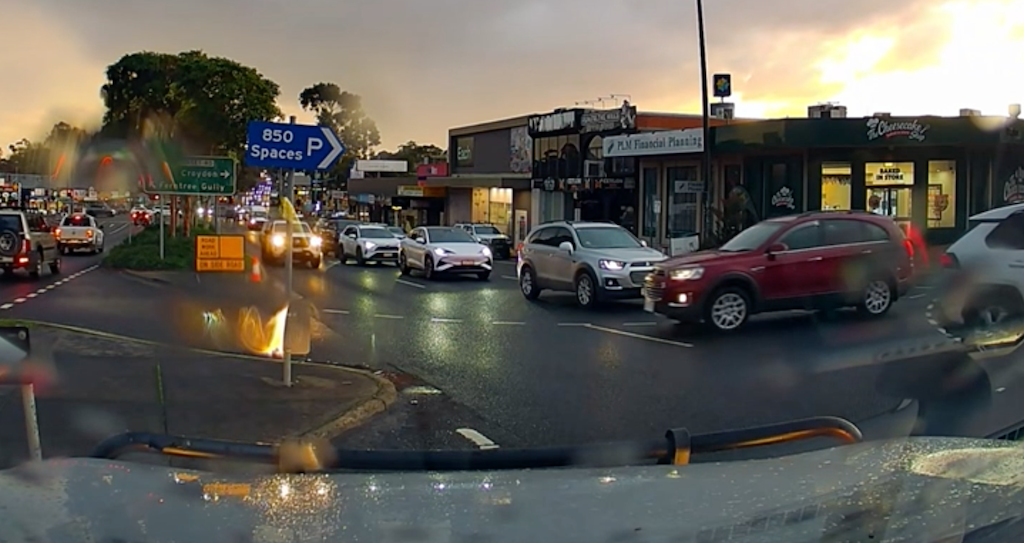
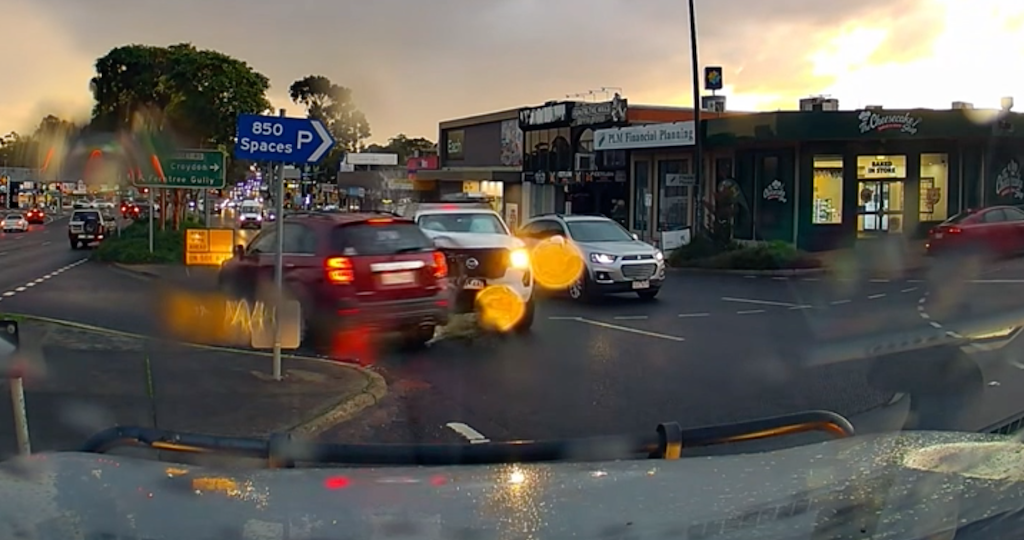
1b. Fact: A vehicle will always fill a traffic gap.
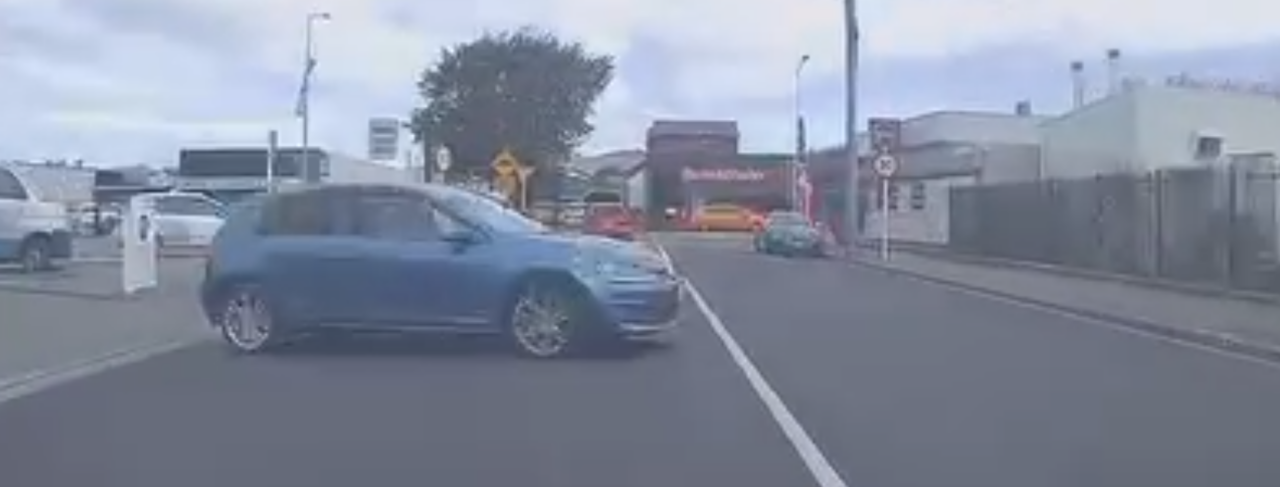
If you see a gap in the traffic, that is a big signal to any motorcycle rider that something is going to pass through or move into that gap at any time.
Regardless if you are in your own lane, lane sharing or in the opposite lane, a vehicle is going to cross into your path of travel at some point.
Most of the time this is done so safely but then the other times regardless of operator intention, excess speed always makes this an unsafe manoeuvre.
By knowing traffic gaps = potential for issues... You can be more aware of the potential that exists in and around traffic gaps and adjust your motorcycle speed and position sooner and before a near miss or accident occurs.
2. Differences in traffic speed (The speed delta!)
High speed deltas (speed differences) contribute to a motorcycle vanishing as if they are "invisible" to other road users.
"Speed delta" describes the speed difference between your vehicle (our motorcycle) and other vehicles near you. The greater you speed difference is (the delta speed), the chances for an accident also increases.
2a. Exiting side roads or premises into any lane or road with haste.
Ride your motorcycle at a fair pace to progress and merge with traffic smoothly.
The side effect of being overly aggressive with motorcycle acceleration, it may feel like other vehicles are cutting you off quite often. Other vehicles are not expecting the sudden loss of their "space buffer" that was needed to complete their own manoeuvre safely to be removed due to the sudden acceleration and speed gained by the motorcycle rider's throttle aggression.
Other vehicles (faster e-cars, large SUVs etc) are also guilty of this aggressive traffic behavior too and can be classed as a "Bad Habit" you need to un-do.
2b. Queued traffic.
Slowing traffic ahead means things are changing, slow down to match the speeds of surrounding vehicles and keep your 2-4 second following distance when in the same lane as other vehicles.
When your in a multi-lane road or even single lane roads and regardless if traffic has slowed, crawling or stopped the posted speed sign is not a minimum speed goal, it does not mean or assume it is safe to do the posted speed - Just cause you can doesn't mean you should or can safely do the posted speed limit in every scenario!
Remember, a motorcycle rider might be able to see traffic over the roofs of cars while riding and feel free space exists to continue at speed they are traveling at, but the opposing vehicle can typically only see the tail of the vehicle they are following or the obstruction ahead of them and nothing more!
A clear path or line of sight is a "keep speed illusion" for any motorcycle rider while other vehicles are near by. Adjust your speed to be similar to other vehicles around you.
2c. Vehicle speed
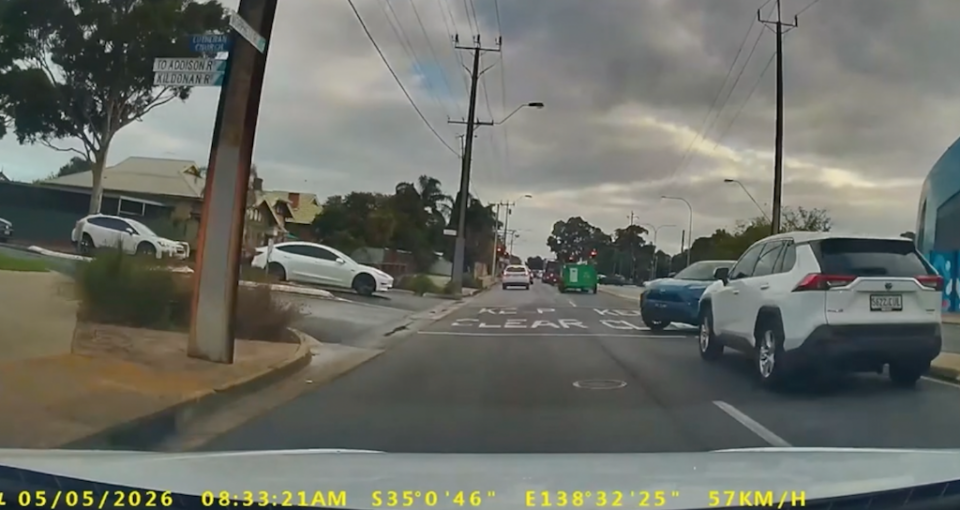
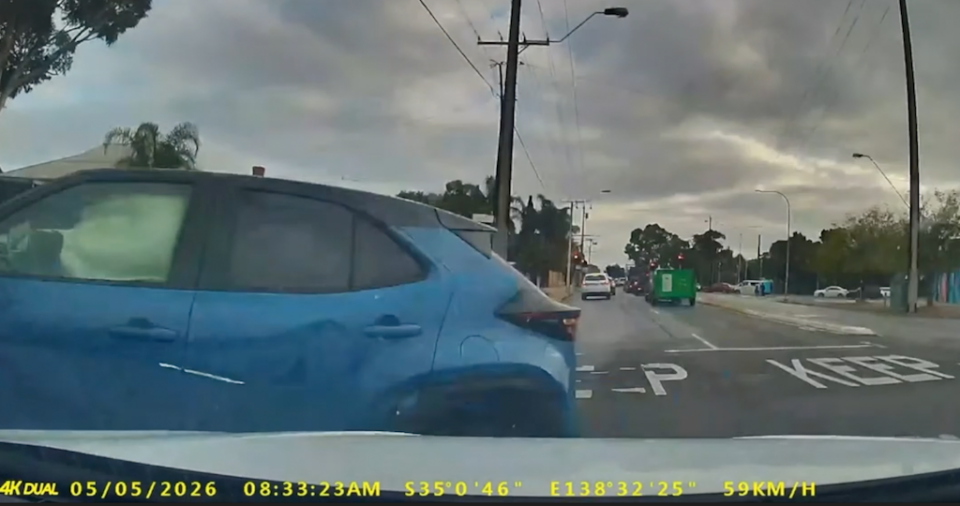
Recommend you travel no more than 10-15km/h speed difference where vehicles are traveling in the same direction (multi-lane) and when opposing traffic flows have noticeably slowed and traffic is not separated by a traffic island, then you should reduce your speed as many road users do u-turns or exit the lane they are using and can potentially cross your path of travel.
If the vehicles traveling in the same direction are doing 12km/h in one lane but your lane is free in a 60km/h speed zone and you are traveling at the "legal" allowed posted speed limit for that lane or road, the distance you cover when approaching traffic intersections and gaps in traffic is too fast for your vehicle (motorcycle or car/truck) to see the other vehicle crossing (motorcycle or car/truck) to slow in time in the event they cross into your line of travel.
When lane sharing as a motorcyclist, if your speed is 10-15km/h more than the traffic around you in either lane regardless if stationary or moving, when a gap in traffic occurs you are substantially at a higher risk of being hit or colliding with another vehicle that is crossing your path of travel while they are trying use that free gap.
The excess speed difference is a bad habit and will show up to a rider as other vehicles cutting you off quite often.
3. Right of way does not assume safe passage!
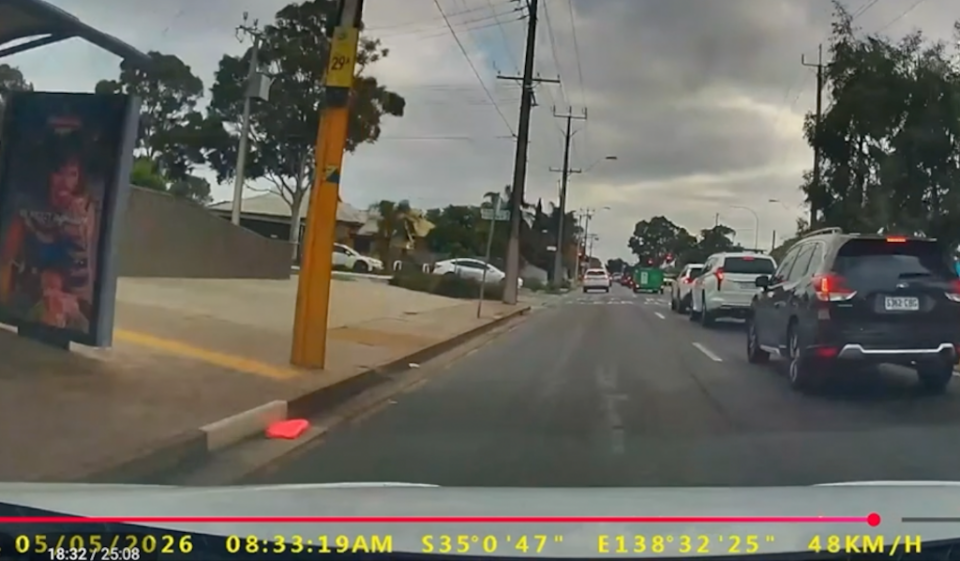
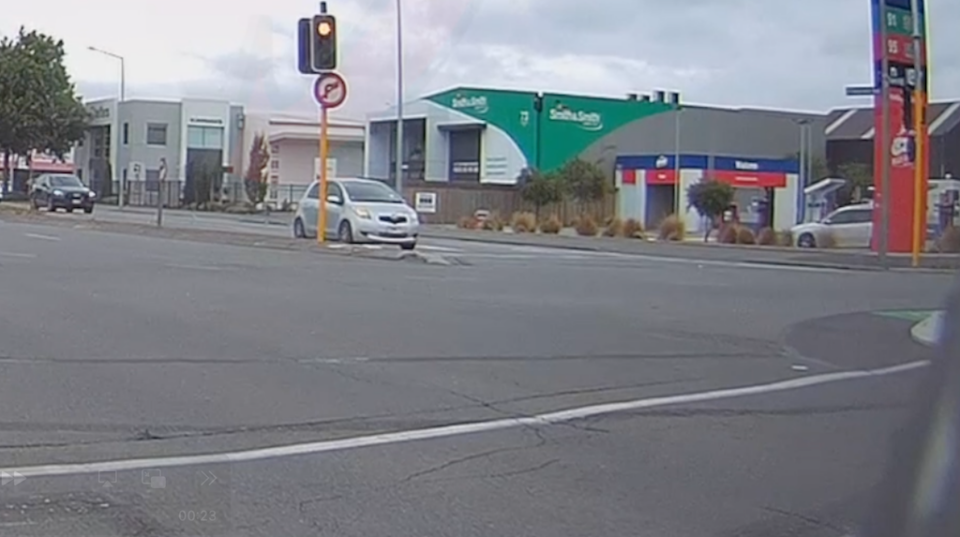
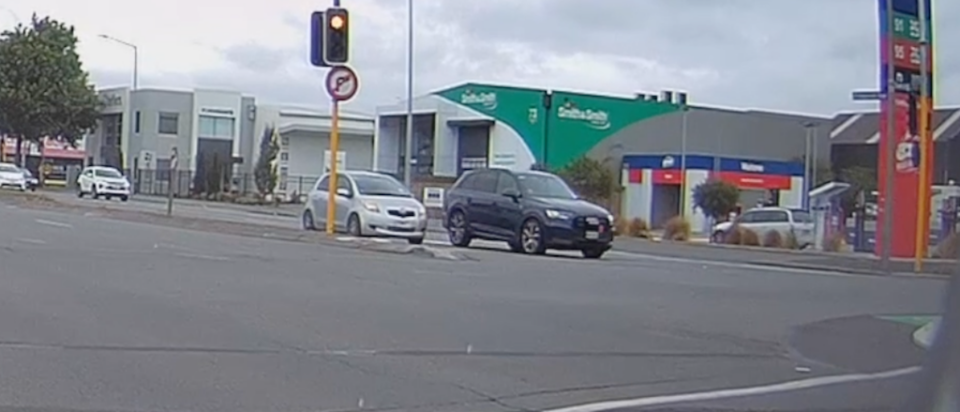
When you enter any intersection, regardless of traveling in another lane parallel with the same direction of traffic or opposing traffic.
- Do a quick road scan of the intersection before you enter the intersection.
- Do a head check before changing lanes or change of direction.
- Check your mirrors before entering an intersection.
- Check your mirrors before slowing or braking anywhere, including intersections.
You want to prevent another vehicle behind you creating a rear end accident with your motorcycle for any braking events - You may have to re-position your motorcycle before braking hard for any reason.
Just because you might have right of way at a intersection or a green light signal does not guarantee safe passage.
Bonus topic 1, keep to the 2-4 second rule when following traffic
Keep your following distance as constant as possible.
- Prevents riders from target fixating on the vehicle in front of them.
- Gives you a little more time to react as we can get distracted even on the best of days.
- See further ahead, scan the road and check mirrors as time allows. As your not fixated (aka tail-gating) the vehicle in front you, now you have time to be more aware of your surroundings.
Bonus topic 2, vehicles will stop in your path of travel
Practice your emergency braking regularly, be confident at stopping quickly.
When another vehicle enters a your path of travel from a driveway or intersection in error and sees another vehicle about to collide with them... too often those vehicles stop right in your path of travel making the situation worse instead of moving into the traffic gap they intended.
- Assuming the rider was not speeding in their own lane.
- Assuming the rider was positioned correctly to not be hidden from view.
- Know what is following behind you with regular mirror checks, no point in stopping quickly only to be hit from behind.
- Slow down a little more, look for gaps in parked cars and traffic and remember that a motorcycle rider by themselves on a road can appear "invisible" to other road users!
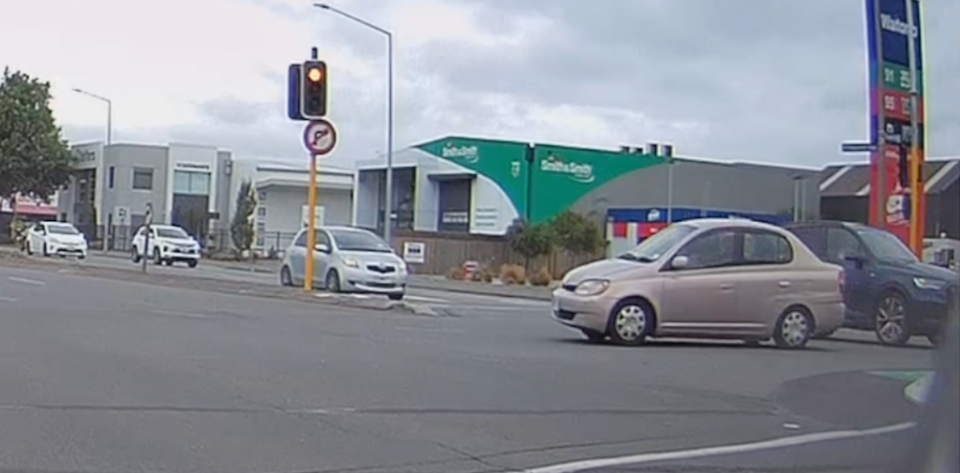
No accident here, just a near miss incident caught on video. See link: https://youtu.be/7Tuif97qmC4